DECOMMISSIONING · WYOMING
Sell transformers from data center decommissioning
Data center decommissioning can create a concentrated set of dry-type, isolation, UPS, generator, and medium-voltage transformer assets, but continuity controls make sequencing critical. An owner should prepare a room-by-room inventory that distinguishes reusable equipment from connected bus, controls, and scrap. A clear project file helps an owner separate complete equipment value from dismantling, compliance, scheduling, and freight decisions.
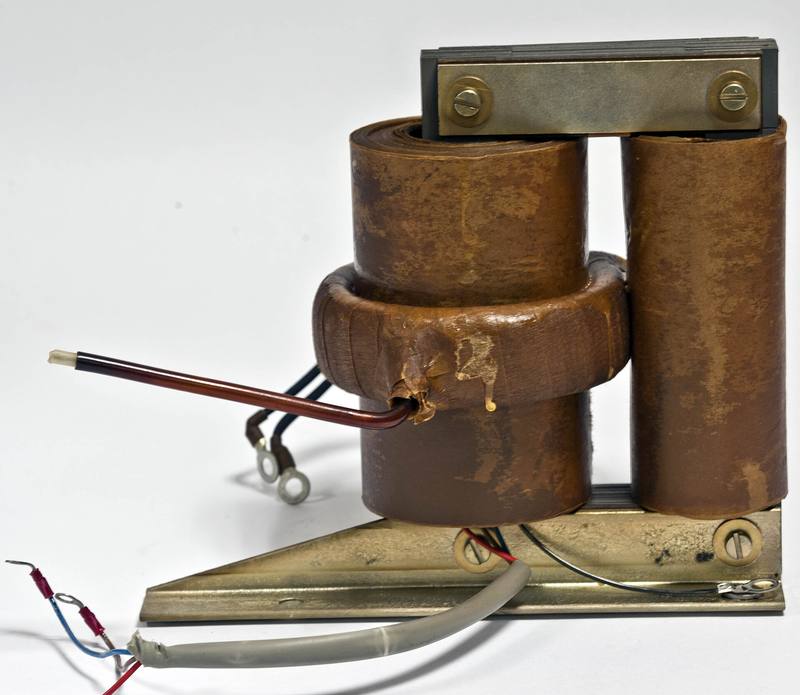
Photo: Hannes Grobe / CC BY-SA 4.0; resized and compressed

THE DETAILS / 01
A clearer way to sell.
What matters when you sell
Map single-line locations, redundancy role, kVA, voltage, impedance, cooling, monitoring, and bypass interfaces. Include thermal scans, commissioning files, load trends, alarms, and maintenance records where available.
Plan approved shutdowns, qualified isolation, route protection, dock access, packaging, data-security rules, and staged removal around remaining loads. Do not test energized equipment as part of a seller self-assessment.
Request scope-specific terms for complete units, accessories, dismantling, buyer-covered freight, and upfront payment. Practical availability and terms are determined during quotation after the schedule is reviewed.
Map transformer roles by room and lineup
A data center retirement may involve dry-type, isolation, UPS-related and medium-voltage transformers, with different roles in redundant power paths. Prepare a room-by-room inventory showing each unit’s location, kVA, voltage, impedance, cooling and service role where known. Mark connected bus, controls and accessories separately, so the equipment offered for purchase is not confused with infrastructure that must remain.
Share operating and commissioning records
Single-line drawings, commissioning files, load trends, alarms, maintenance records and thermal reports can help explain a unit’s history. Include available nameplate photographs and note known monitoring or bypass interfaces. Existing records are helpful, but fresh testing is not required to start a quotation. Do not test energized equipment as a seller assessment; qualified personnel must manage isolation and any fluid sampling.
Plan the route around remaining systems
Identify approved shutdown windows, room access, corridor clearances, dock limits, route protection and packaging needs. Explain which loads or adjacent equipment will remain in service, and assign shutdown, disconnection, rigging and loading responsibilities with qualified site professionals. The buyer covers freight on agreed terms, but disconnection or rigging should not be treated as included unless the written agreement says so.
Prepare a scope-specific request
Submit the equipment list and records with the desired staging, accessory scope and pickup constraints. Ask the buyer to state the cash offer, payment timing, freight and loading arrangements in writing. An offer depends on condition, ownership and agreed terms; payment is upfront on agreed terms. Keep dismantling of connected systems, data-security tasks and restoration distinct from the transformer purchase unless expressly included.
THE PROCESS / 02
From nameplate to payment.
Send the details
Share the nameplate, overall photos, pickup city and what you know about the condition.
Review the offer
We review the equipment and discuss a unit-specific cash offer and transaction terms.
Plan the move
We coordinate freight. The agreement defines access, timing, rigging and who handles disconnection.
Get paid upfront
We agree on payment and paperwork before release of the equipment.
MORE TO EXPLORE / 03
Sell more equipment with confidence.
GET A CASH OFFER / 01
Have a transformer to sell?
Start with what you know. A nameplate photo, a few equipment details and the pickup location help us review your unit.
saleselectricalbuyers@gmail.com
WE BUY. YOU GET PAID.