DECOMMISSIONING · WYOMING
Sell transformers from power plant teardowns
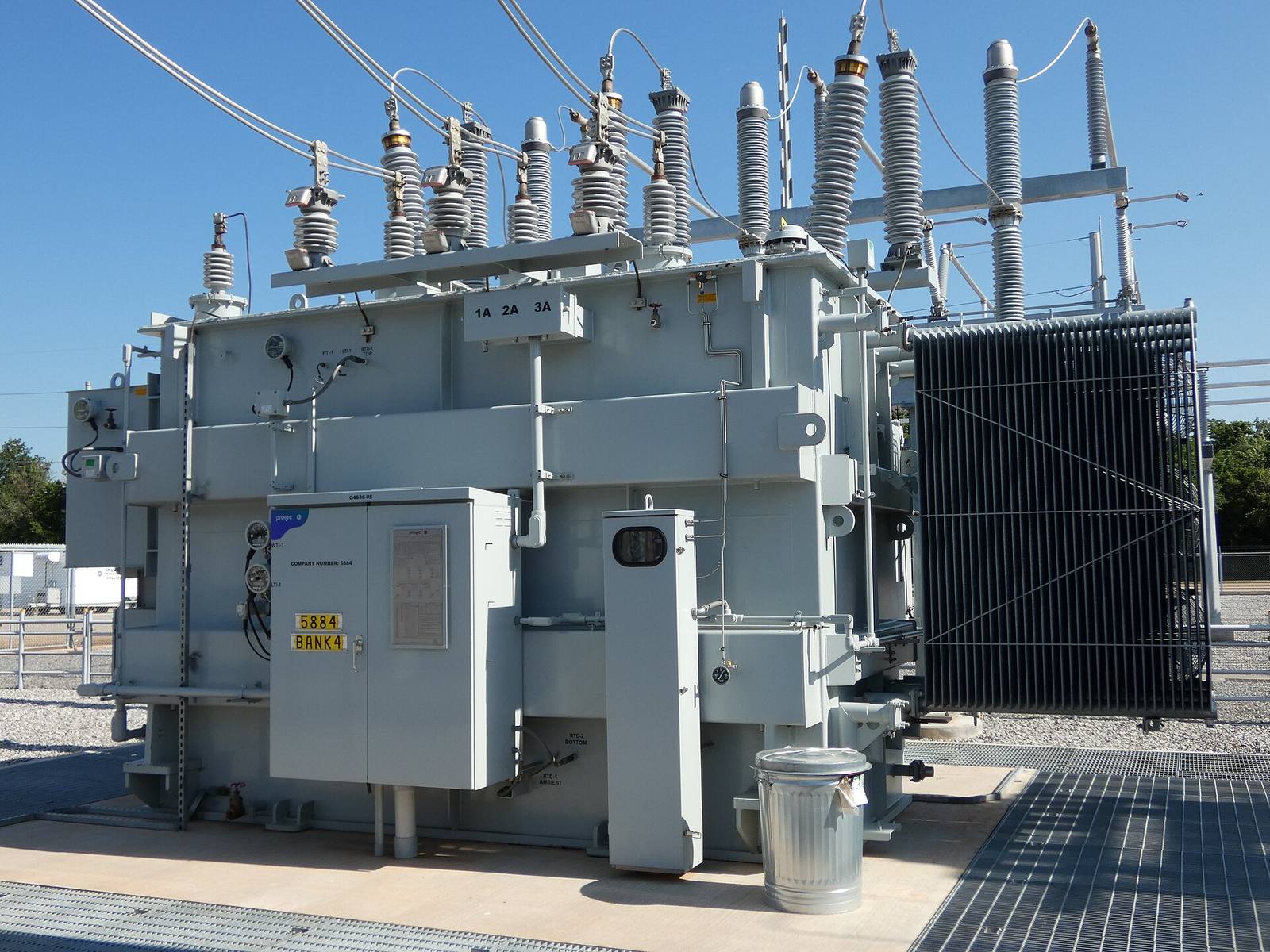
Power plant teardowns may release large generator step-up, auxiliary, station-service, furnace, rectifier, and switchgear assets with extensive records and substantial rigging needs. The owner’s strongest sale file links each transformer to the plant system, outage history, environmental documentation, and demolition sequence. A clear project file helps an owner separate complete equipment value from dismantling, compliance, scheduling, and freight decisions.
Photo: Yoshieslunchbox / CC BY-SA 4.0; resized and compressed

THE DETAILS / 01
A clearer way to sell.
What matters when you sell
Build a system register for generator step-up, unit auxiliary, station service, excitation, furnace or rectifier, black-start, and distribution transformers. Include MVA, voltage, cooling, taps, oil volume, accessories, drawings, and serials.
Preserve through-fault, dissolved-gas, oil, PCB, maintenance, relay, and outage records; samples and records guide applicable compliance, while licensed professionals handle fluid and regulated work. Qualified demolition and electrical personnel control isolation, rigging, and site hazards.
Request separate pricing for reusable complete units, spare parts, salvage, dismantling, loading, and buyer-covered freight. Upfront payment and practical availability should be addressed in the quotation, not promised in editorial copy.
Build a Plant-System Asset Register
A power-plant teardown can involve generator step-up, unit auxiliary, station-service, excitation, furnace or rectifier, black-start, and distribution transformers. Identify each unit by system and record MVA, voltage, cooling, taps, oil volume, accessories, drawings, and serial number. That context helps distinguish major complete assets from spare parts or equipment intended for salvage.
Assemble the Service and Compliance File
Gather available through-fault, dissolved-gas, oil, PCB, maintenance, relay, and outage records, linking documents to the relevant transformer. Such records help inform condition and applicable compliance considerations; they do not replace work by qualified professionals. Licensed personnel should handle fluid sampling and regulated tasks, while qualified electrical and demolition teams control isolation and site hazards.
Coordinate the Demolition Sequence
Large plant equipment calls for early agreement on access, rigging, loading, and the order of removal against the demolition schedule. Define who handles isolation, dismantling, fluid work, loading, and site restoration; do not presume those duties are part of a purchase. The buyer covers freight on agreed terms, with pickup timing and responsibilities made clear in the quotation.
Request Separate, Clear Terms
Identify which transformers are being offered as complete units and which items are parts or salvage. Provide ownership details and the available drawings, ratings, and service records, then request itemized terms for payment, freight, loading, and pickup sequence. Payment is upfront on agreed terms; any offer remains dependent on equipment condition, ownership, and agreement between the parties.
THE PROCESS / 02
From nameplate to payment.
Send the details
Share the nameplate, overall photos, pickup city and what you know about the condition.
Review the offer
We review the equipment and discuss a unit-specific cash offer and transaction terms.
Plan the move
We coordinate freight. The agreement defines access, timing, rigging and who handles disconnection.
Get paid upfront
We agree on payment and paperwork before release of the equipment.
MORE TO EXPLORE / 03
Sell more equipment with confidence.
LOCAL PROJECTS / 04
Sell project equipment across Wyoming.
GET A CASH OFFER / 01
Have a transformer to sell?
Start with what you know. A nameplate photo, a few equipment details and the pickup location help us review your unit.
saleselectricalbuyers@gmail.com
WE BUY. YOU GET PAID.