TRANSFORMER TYPES · WYOMING
Sell oil-filled transformers
Oil-filled transformers may retain substantial reuse value when the tank, bushings, core, windings, and accessories are documented, but oil condition and environmental records are central to the assessment. The sale review should separate equipment condition from the obligations associated with fluid handling and site work.
THE DETAILS / 01
A clearer way to sell.
What matters when you sell
Record fluid type, volume, last sampling date, leak history, conservator or sealed-tank design, and breather arrangement. Samples and records guide applicable compliance decisions; licensed professionals should handle sampling, draining, transport, and any regulated work.
Useful records can include dissolved-gas analysis, moisture, acidity, breakdown voltage, PCB-related documentation, and previous filtration or reclamation. Do not suggest user testing energized equipment, and do not open, sample, or drain a live unit.
A preliminary offer can be based on documented specifications and photographs, with final practical availability and terms determined during quotation. State clearly whether the buyer covers freight and which party is responsible for permits, fluid management, and loading labor.
Start with the oil record
For an oil-filled transformer, fluid history can shape both reuse assessment and the work needed for a sale. Send the known fluid type and volume, latest sampling date, leak history, and any records on PCB status. Existing dissolved-gas, moisture, acidity, or breakdown-voltage results may help; do not arrange new testing solely for a quote unless requested. Qualified professionals should handle any sampling or fluid work.
Show the unit and its fittings
Provide clear photographs of the nameplate, tank seams, bushings, radiators, valves, conservator or sealed-tank arrangement, breather, and any visible leak areas. Include accessories you intend to sell with the transformer, and note missing or damaged parts. These details help distinguish the equipment being offered from site piping, containment, or other items that may remain in place.
Define removal responsibilities
Before agreeing to terms, identify who will isolate the unit and who is responsible for draining, transporting, or otherwise managing its oil. Do not open, sample, drain, or test an energized transformer; qualified personnel must handle isolation and regulated work. Describe access, loading arrangements, and any site restrictions, and clarify permits and labor responsibilities rather than assuming they are included.
Make the quote scope clear
Send available specifications, records, photographs, included accessories, and your expectations for payment and removal. State whether the unit is accessible for loading and what work remains outstanding. Location-related access or transport factors can affect planning across the state. Any offer depends on condition, ownership, and agreed terms; confirm in writing that the buyer covers freight and how payment and site work will be handled.
THE PROCESS / 02
From nameplate to payment.
Send the details
Share the nameplate, overall photos, pickup city and what you know about the condition.
Review the offer
We review the equipment and discuss a unit-specific cash offer and transaction terms.
Plan the move
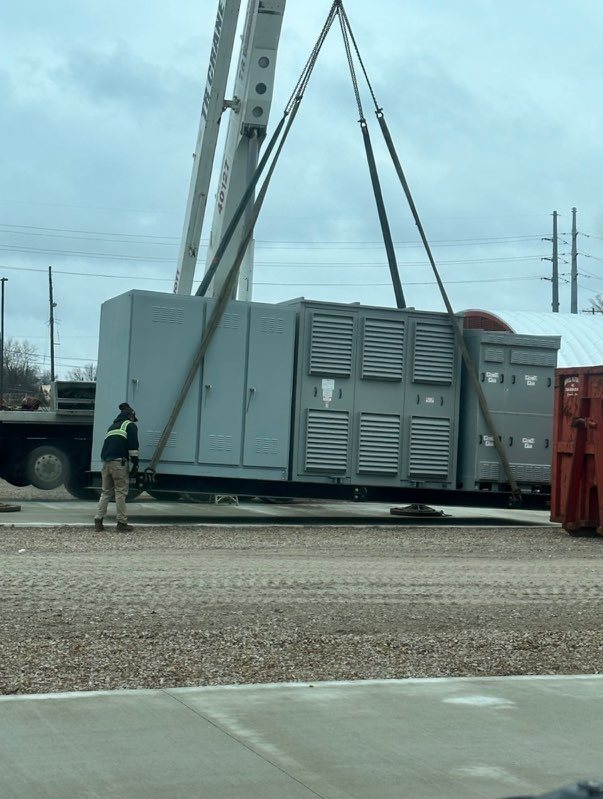
We coordinate freight. The agreement defines access, timing, rigging and who handles disconnection.
Get paid upfront
We agree on payment and paperwork before release of the equipment.
MORE TO EXPLORE / 03
Sell more equipment with confidence.
GET A CASH OFFER / 01
Have a transformer to sell?
Start with what you know. A nameplate photo, a few equipment details and the pickup location help us review your unit.
saleselectricalbuyers@gmail.com
WE BUY. YOU GET PAID.