BRANDS · WYOMING
Sell Cooper Power Transformers
Cooper Power-labeled equipment should be distinguished by construction, voltage class, and accessory set rather than by brand name alone. Distribution units, regulators, and substation equipment can have very different inspection and logistics needs. A careful owner file uses the brand as one identification clue while relying on exact equipment evidence for a sale assessment.
THE DETAILS / 01
A clearer way to sell.
What matters when you sell
Record model, serial, kVA, primary and secondary data, and whether the unit is a transformer or regulator. Photograph bushings, switches, controls, and cabinet interiors only after qualified isolation.
Review oil or insulation records, tap operations, fault history, and environmental exposure. Note replacement parts or field modifications that change the original configuration.
Present the label as identification only and make no affiliation claim. A buyer can determine practical availability, terms, and buyer-covered freight after reviewing the evidence and site conditions.
Start With the Equipment Type
Cooper Power identifies a manufacturer, not a single equipment category. Separate distribution transformers, voltage regulators, and substation equipment before requesting a sale assessment; their controls, accessories, and removal requirements differ. Share the model and serial number, kVA, primary and secondary data, and clear nameplate photos when available. These details help identify the unit without treating the brand label as a condition or value judgment.
Build a Useful Condition File
Gather existing oil or insulation records, test documents, service history, tap-operation notes, fault history, and records of repairs or field modifications. List replaced parts and note whether the present configuration differs from the original. Existing documentation can be reviewed; new testing is not a prerequisite. If photos of bushings, switches, controls, or cabinet interiors are useful, have qualified personnel isolate the equipment before access. Never open or handle energized equipment to prepare a sale file.
Define Removal and Freight Scope
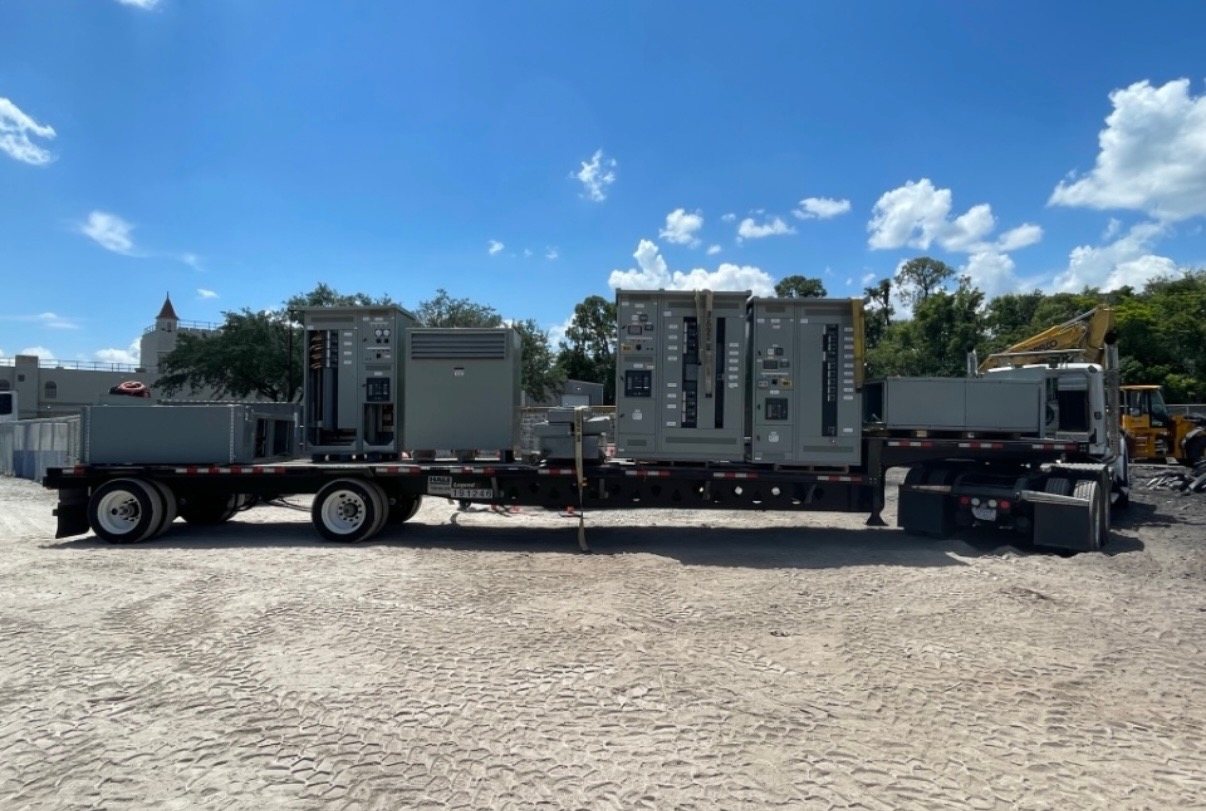
Describe the unit’s current location, access route, loading arrangements, known weight, and any constraints affecting removal. State whether the equipment is isolated and identify who is responsible for site work, disconnects, rigging, and loading. Requirements can vary with the site and equipment configuration, so clarify the proposed scope before agreeing to terms. The buyer covers freight, with responsibilities and arrangements agreed in advance; do not assume that this includes every on-site removal task.
Send Evidence, Not Assumptions
A concise submission can include nameplate and overall photos, the transformer-or-regulator classification, accessory list, available records, known damage or exposure, and the removal details. Identify ownership and any limits on transferring the equipment. The brand name alone does not establish availability or sale terms. An offer depends on condition, ownership, and agreed terms; confirm payment timing and freight arrangements before proceeding. No price or pickup schedule can be determined from the label alone.
THE PROCESS / 02
From nameplate to payment.
Send the details
Share the nameplate, overall photos, pickup city and what you know about the condition.
Review the offer
We review the equipment and discuss a unit-specific cash offer and transaction terms.
Plan the move
We coordinate freight. The agreement defines access, timing, rigging and who handles disconnection.
Get paid upfront
We agree on payment and paperwork before release of the equipment.
MORE TO EXPLORE / 03
Sell more equipment with confidence.
GET A CASH OFFER / 01
Have a transformer to sell?
Start with what you know. A nameplate photo, a few equipment details and the pickup location help us review your unit.
saleselectricalbuyers@gmail.com
WE BUY. YOU GET PAID.