BRANDS · WYOMING
Sell Eaton Transformers
Eaton-labeled transformers should be evaluated by the exact rating plate, configuration, and condition of the unit offered. Ancillary breakers, controls, and enclosures may be from different vintages or suppliers and should be itemized rather than assumed to match. A careful owner file uses the brand as one identification clue while relying on exact equipment evidence for a sale assessment.
THE DETAILS / 01
A clearer way to sell.
What matters when you sell
Capture serial, kVA, voltages, impedance, enclosure, and cooling information. Include photos of terminal compartments and accessories that affect completeness.
Check for heat damage, moisture, corrosion, loose terminations, and evidence of overload or short circuit. Use qualified personnel for any electrical isolation or testing.
Preserve manuals and drawings while clearly separating transformer scope from connected switchgear or controls. Practical availability and terms are determined during quotation.
Identify the Unit Beyond the Eaton Name
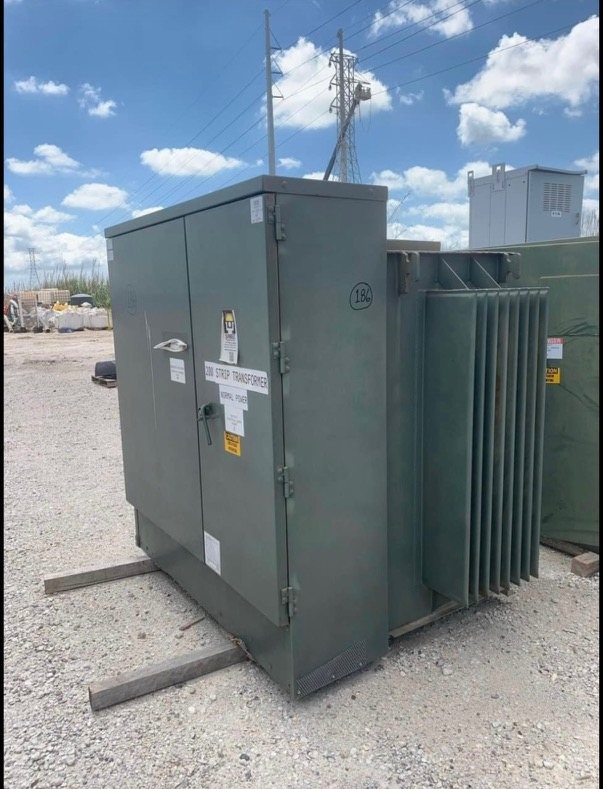
For an Eaton-labeled transformer, the brand is a starting point—not a substitute for the rating plate and the unit’s configuration. Record the serial number, kVA, voltages, impedance, enclosure type, and cooling information as shown. Photograph the full plate clearly, then capture the transformer from several sides so its condition and overall arrangement can be understood before a quotation is prepared.
Separate Transformer From Associated Gear
A transformer may sit beside breakers, controls, or enclosures from another supplier or equipment vintage. List what is included in the proposed sale and identify anything that will remain in place. Photograph terminal compartments and accessories that affect completeness, but keep connected switchgear and controls distinct in your description. Manuals and drawings can help clarify scope; preserve them and note which equipment they cover.
Build a Useful Condition Record
Describe the operating history, known faults, repairs, and time out of service, if known. Note visible heat damage, moisture, corrosion, loose terminations, or indications of overload or short circuit without attempting to diagnose them. Share existing inspection or test records if available; new testing is not a prerequisite. Qualified personnel must handle electrical isolation and any sampling or testing required for their work.
Make Removal and Terms Clear
Give the pickup condition and dimensions, and explain access and loading arrangements, including constraints that could affect removal. State whether the transformer is disconnected and what equipment or services are outside the sale scope; do not assume the buyer is taking attached gear. An offer depends on condition, ownership, and agreed terms. Confirm payment terms and that the buyer covers freight as part of the agreement.
THE PROCESS / 02
From nameplate to payment.
Send the details
Share the nameplate, overall photos, pickup city and what you know about the condition.
Review the offer
We review the equipment and discuss a unit-specific cash offer and transaction terms.
Plan the move
We coordinate freight. The agreement defines access, timing, rigging and who handles disconnection.
Get paid upfront
We agree on payment and paperwork before release of the equipment.
MORE TO EXPLORE / 03
Sell more equipment with confidence.
GET A CASH OFFER / 01
Have a transformer to sell?
Start with what you know. A nameplate photo, a few equipment details and the pickup location help us review your unit.
saleselectricalbuyers@gmail.com
WE BUY. YOU GET PAID.