BRANDS · WYOMING
Sell Square D Transformers
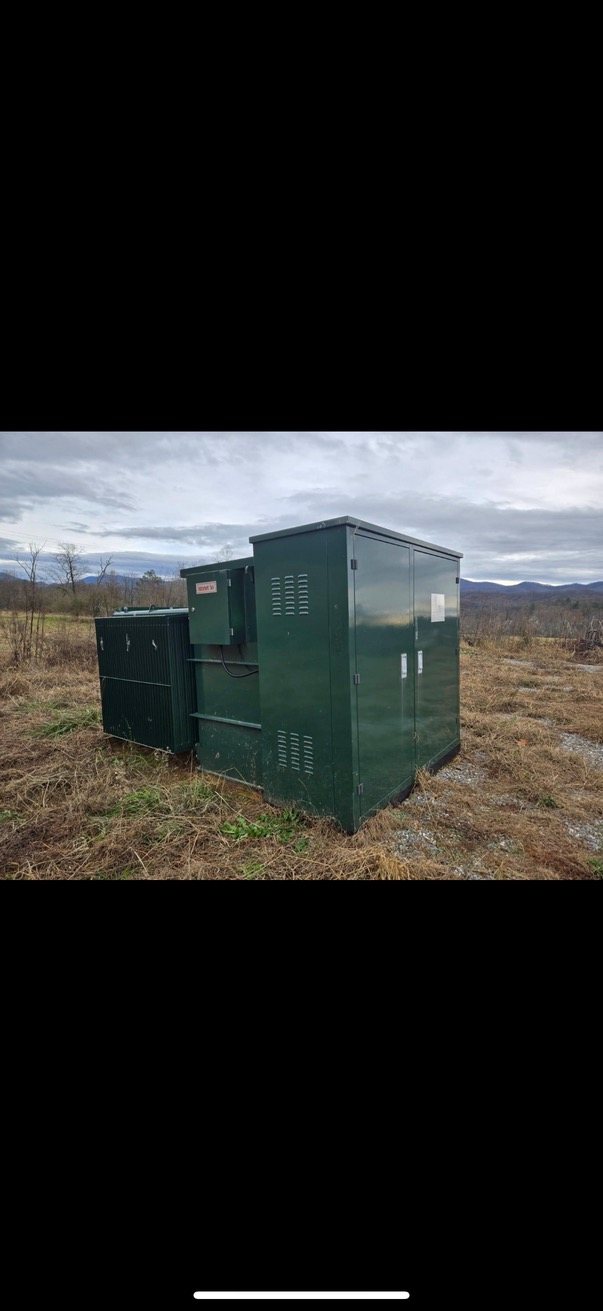
Square D-labeled transformers are best presented with the enclosure type, voltage configuration, and service context alongside the label. Similar-looking units can differ in winding arrangement, taps, impedance, and included protection. A careful owner file uses the brand as one identification clue while relying on exact equipment evidence for a sale assessment.
THE DETAILS / 01
A clearer way to sell.
What matters when you sell
Document primary and secondary ratings, phase, taps, impedance, temperature class, and enclosure. Identify whether the transformer is dry-type, liquid-filled, or part of a packaged assembly.
Inspect vents, coils or tank, terminals, fan controls, and signs of heat, dust, moisture, or corrosion. Keep visual findings separate from any qualified test conclusion.
Do not imply affiliation, certification, or a manufacturer-backed quote; the asset is assessed from owner-supplied evidence and buyer inspection.
Start With the Nameplate
For a Square D-labeled transformer, the brand alone is not enough to identify the asset. Send clear photos of the complete nameplate and serial number, then list primary and secondary ratings, phase, taps, impedance, and temperature class if legible. Note whether it is dry-type, liquid-filled, or part of a packaged assembly; similar-looking units may have different configurations.
Describe Condition, Not Conclusions
Record visible condition separately from test results: note dust, moisture, corrosion, heat evidence, damaged vents or tank, and the apparent state of coils, terminals, fans, and controls. Include known service history and any existing test reports for review, but do not arrange new testing solely to request an assessment. Isolation and any sampling must be handled by qualified people.
Scope the Removal Beforehand
Give the buyer the installation setting, approximate dimensions and weight if known, access route, and loading constraints. Clarify whether the transformer is connected to other equipment or included in a larger assembly, and identify who is responsible for disconnection and removal. In a statewide sale, distance, site access, and freight logistics can affect the agreed plan; avoid assuming a unit is ready to load.
Send a Complete Sale File
Along with photos and ratings, state what accessories are included, disclose known damage or operating concerns, and confirm your authority to sell the equipment. Ask the buyer to set out condition assumptions, removal scope, loading arrangements, and payment terms in writing. An offer depends on condition, ownership, and agreed terms; the buyer covers freight and pays upfront on those agreed terms.
THE PROCESS / 02
From nameplate to payment.
Send the details
Share the nameplate, overall photos, pickup city and what you know about the condition.
Review the offer
We review the equipment and discuss a unit-specific cash offer and transaction terms.
Plan the move
We coordinate freight. The agreement defines access, timing, rigging and who handles disconnection.
Get paid upfront
We agree on payment and paperwork before release of the equipment.
MORE TO EXPLORE / 03
Sell more equipment with confidence.
GET A CASH OFFER / 01
Have a transformer to sell?
Start with what you know. A nameplate photo, a few equipment details and the pickup location help us review your unit.
saleselectricalbuyers@gmail.com
WE BUY. YOU GET PAID.