TRANSFORMER TYPES · WYOMING
Sell furnace / rectifier transformers
Furnace and rectifier transformers are purpose-built for high current, cycling, harmonic-rich, or DC conversion duties and should not be compared with ordinary distribution units. Cooling, secondary buswork, harmonic stress, tap control, and the condition of bushings and leads are central to valuation.
THE DETAILS / 01
A clearer way to sell.
What matters when you sell
Document furnace or rectifier service, duty cycle, secondary current, phase arrangement, rectifier connection, and cooling system. Specialized leads, tertiary windings, and on-load tap changers can be more important to reuse than the tank’s external appearance.
Review operating incidents such as arc faults, short circuits, repeated thermal cycling, oil-gas alarms, and cooling failures. Preserve maintenance records for pumps, fans, radiators, and tap changer contacts because they help separate expected wear from major damage.
Removal may involve substantial buswork, oil handling, and custom rigging. Quote the transformer, rectifier, cooler, controls, and accessories as separate line items when practical, with buyer-covered freight and payment timing settled during quotation.
Start With the Duty, Not the Nameplate
Furnace and rectifier transformers serve demanding, specialized duties, so describe how the unit operated rather than comparing it with a standard distribution transformer. Send available MVA, primary and secondary voltage and current, frequency, phase arrangement, rectifier connection, cooling method, and tap-control details. Explain the process, duty cycle, and typical operating pattern; this helps a buyer assess whether the design may suit another application.
Make Service History Useful
Summarize arc faults, short circuits, overloads, repeated thermal cycling, oil-gas alarms, and cooling interruptions, including when they occurred and any known follow-up. Share existing test reports and maintenance records for pumps, fans, radiators, and tap-changer contacts; new testing is not assumed. Qualified personnel should handle isolation and any sampling. Clear records can help distinguish routine wear from incidents that may affect condition or reuse.
Show the Specialized Components
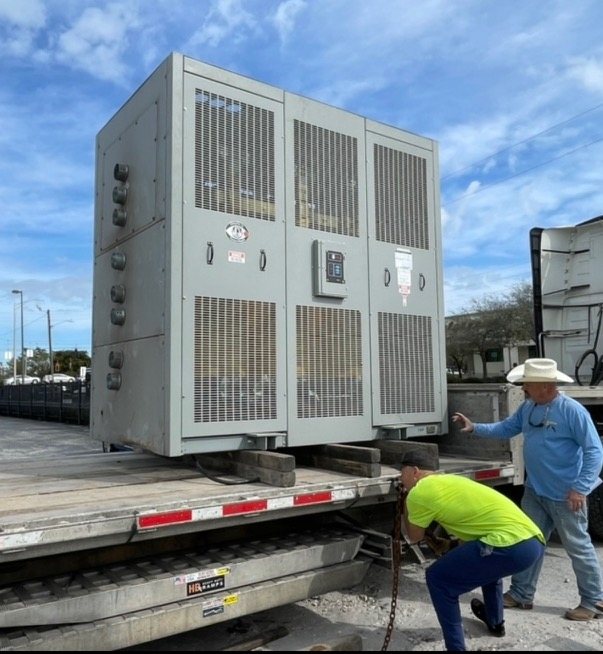
Photograph the bushings, secondary leads and bus connections, tap changer, cooler, controls, and any visible damage or leaks. Identify accessories and components that will remain with the transformer, including a separate rectifier or cooling equipment if included. Custom leads, tertiary windings, and on-load tap changers may matter to a prospective buyer even when the tank’s exterior appearance seems to tell little about the unit’s usefulness.
Define Removal and Sale Scope
Before requesting a quotation, clarify whether the sale includes the transformer alone or also the rectifier, cooler, controls, and accessories; separate line items can make scope easier to compare. Provide dimensions, weight if known, dismantling responsibilities, crane and trailer access, and any buswork or oil-handling considerations. Freight is buyer-covered, with payment timing and other terms agreed during quotation. Any offer depends on condition, ownership, and agreed terms.
THE PROCESS / 02
From nameplate to payment.
Send the details
Share the nameplate, overall photos, pickup city and what you know about the condition.
Review the offer
We review the equipment and discuss a unit-specific cash offer and transaction terms.
Plan the move
We coordinate freight. The agreement defines access, timing, rigging and who handles disconnection.
Get paid upfront
We agree on payment and paperwork before release of the equipment.
MORE TO EXPLORE / 03
Sell more equipment with confidence.
GET A CASH OFFER / 01
Have a transformer to sell?
Start with what you know. A nameplate photo, a few equipment details and the pickup location help us review your unit.
saleselectricalbuyers@gmail.com
WE BUY. YOU GET PAID.