INDUSTRIES · WYOMING
Sell transformers from agriculture
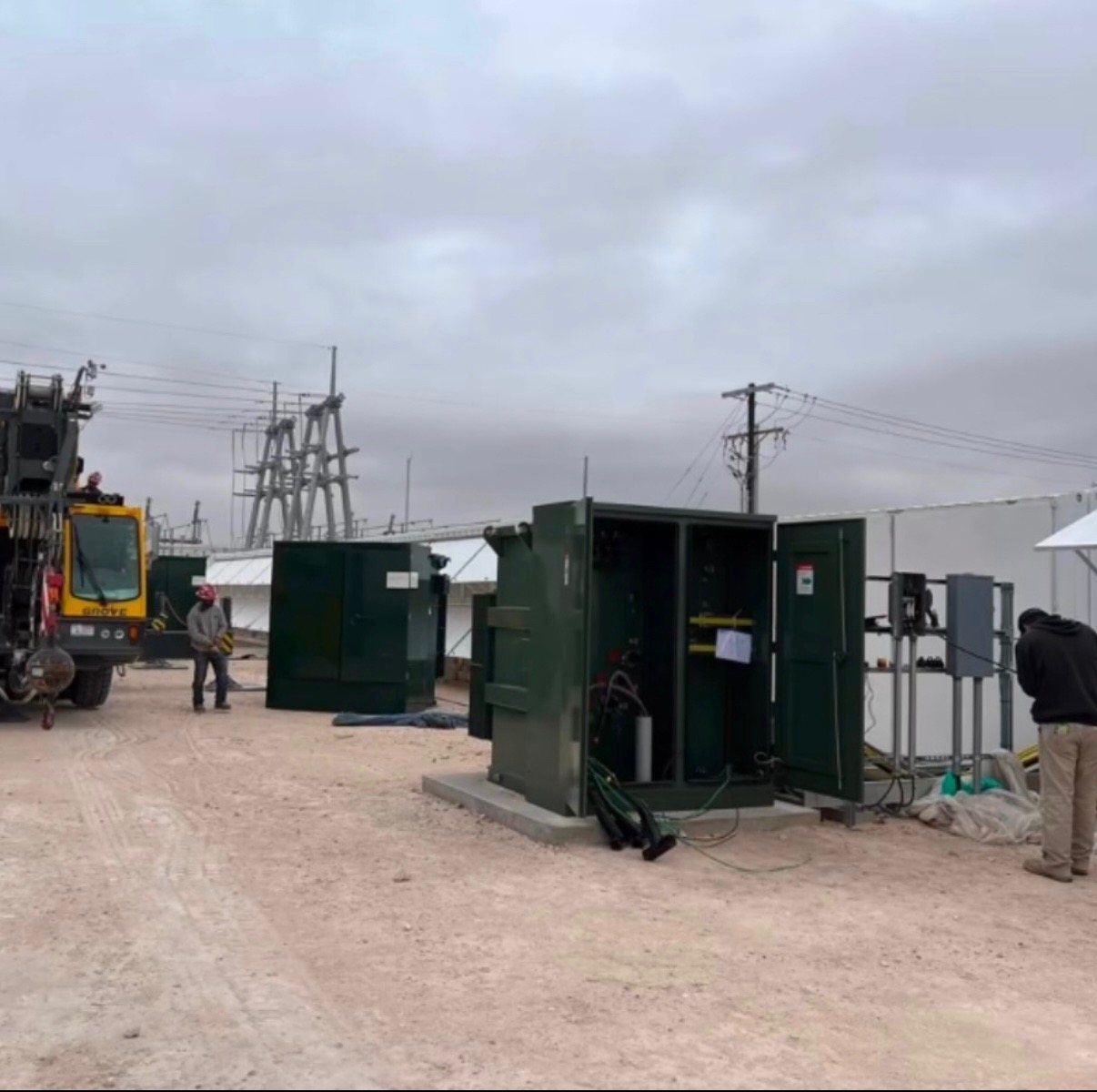
Agricultural facilities may use transformers for irrigation, grain handling, refrigeration, barns, and seasonal loads, often in dusty or weather-exposed settings. The owner’s assessment should connect capacity and condition to seasonal duty and site access. The most useful sale information connects the equipment to its actual duty, site conditions, and removal constraints rather than making a generic industry claim.
THE DETAILS / 01
A clearer way to sell.
What matters when you sell
Identify irrigation, drying, refrigeration, ventilation, or general service and record seasonal loading patterns. Photograph enclosures, pads, poles, terminals, and evidence of dust, rodents, moisture, or corrosion.
Review lightning, voltage fluctuation, motor-starting, and outage history. A unit stored outdoors should be documented for weather protection, fluid level, and gasket or bushing condition.
Rural loading access may require advance coordination for trailers, cranes, gates, and ground conditions. Buyer-covered freight and pickup timing should be written into the quotation.
Match the Transformer to Farm Duty
A transformer serving irrigation pumps has a different operating profile from one supporting grain drying, refrigeration, or barn ventilation. For a cash-sale review, describe the loads, seasonal run pattern, and any motor-starting demands. Note whether the unit is still installed, retired, or stored, and include its ratings so the buyer can assess the equipment in context.
Document Exposure and Operating History
Dust, moisture, rodents, corrosion, lightning, and voltage fluctuations can all affect condition in agricultural settings. Photograph the enclosure, bushings, terminals, pad or pole mounting, and any visible damage or leakage. Include available service, outage, and test records; new testing is not required to begin a quotation. If the transformer has been stored outdoors, describe its weather protection and storage period.
Plan for Rural Removal Access
Remote sites may involve narrow farm roads, gates, soft ground, overhead clearance, or seasonal restrictions on heavy vehicles. Share site photographs, dimensions, approximate weight, and known lifting requirements, then coordinate pickup timing and trailer or crane access. Qualified personnel must control isolation. Loading and rigging responsibilities should be expressly agreed; do not assume they are included with freight.
Prepare a Clear Sale Request
Gather the nameplate details, ownership information, photos, records, and a concise description of what accessories remain with the unit. State your preferred payment timing and identify access or loading constraints before requesting an offer. The buyer covers freight and pays upfront on agreed terms; an offer depends on condition, ownership, and the terms both parties accept.
THE PROCESS / 02
From nameplate to payment.
Send the details
Share the nameplate, overall photos, pickup city and what you know about the condition.
Review the offer
We review the equipment and discuss a unit-specific cash offer and transaction terms.
Plan the move
We coordinate freight. The agreement defines access, timing, rigging and who handles disconnection.
Get paid upfront
We agree on payment and paperwork before release of the equipment.
MORE TO EXPLORE / 03
Sell more equipment with confidence.
GET A CASH OFFER / 01
Have a transformer to sell?
Start with what you know. A nameplate photo, a few equipment details and the pickup location help us review your unit.
saleselectricalbuyers@gmail.com
WE BUY. YOU GET PAID.