INDUSTRIES · WYOMING
Sell transformers from coal operations
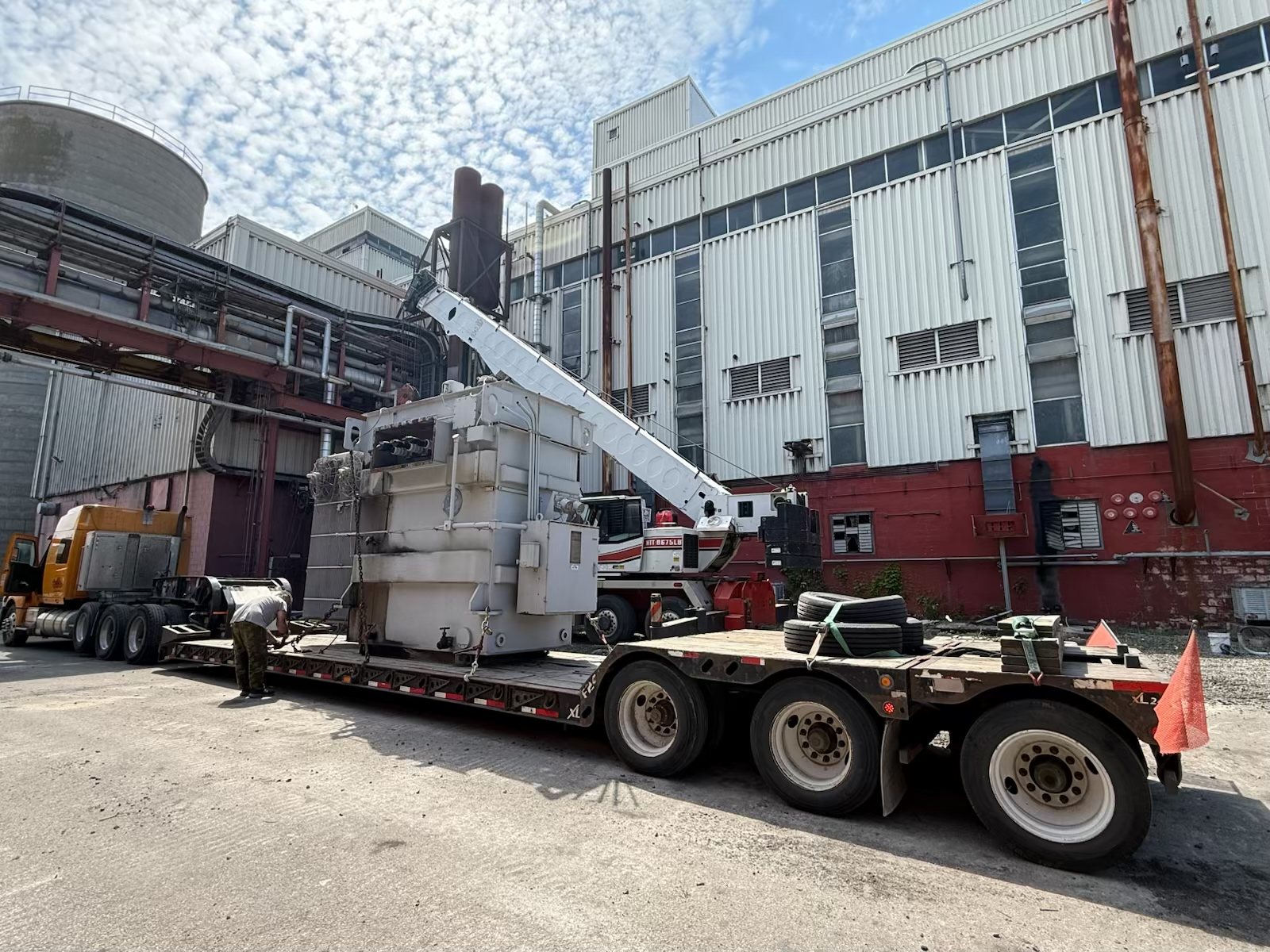
Coal handling, preparation, and generation sites often expose transformers to coal dust, vibration, cyclic loads, and constrained shutdown windows. An owner assessing a sale should connect condition evidence to the unit’s process role and removal sequence. The most useful sale information connects the equipment to its actual duty, site conditions, and removal constraints rather than making a generic industry claim.
THE DETAILS / 01
A clearer way to sell.
What matters when you sell
Document dust control, enclosure cleanliness, ventilation, vibration, and any methane or confined-area constraints relevant to the work plan.
Review motor-starting, conveyor, crusher, and auxiliary loads for repeated thermal or mechanical stress. Shutdown and isolation records help separate operating history from current condition.
A buyer can quote a complete unit, salvage, or staged removal only after access, lifting, and site rules are understood. Buyer-covered freight and payment timing remain quotation terms.
What the asset represents
Coal handling, preparation, and generation sites often expose transformers to coal dust, vibration, cyclic loads, and constrained shutdown windows. An owner assessing a sale should connect condition evidence to the unit’s process role and removal sequence. For a Wyoming owner offering transformers serving coal operations, the first decision is what is actually being offered: a complete asset, a component lot, or material with a known fault. Use the equipment's own records rather than assuming that a familiar name or outward appearance establishes compatibility, condition or value.
Identify the actual scope
Document dust control, enclosure cleanliness, ventilation, vibration, and any methane or confined-area constraints relevant to the work plan. For transformers serving coal operations, attach available nameplate information, drawings and photos to the correct item, and distinguish included accessories from connected equipment that stays on site. Qualified personnel must isolate equipment before any access to electrical interiors or examination; a photograph by itself is not a safety determination.
Condition and available records
Review motor-starting, conveyor, crusher, and auxiliary loads for repeated thermal or mechanical stress. Put those details in context with the unit's documented duty, repairs, storage and known faults, as applicable to transformers serving coal operations. Existing test reports are useful when available, but new testing is not required to start a quote; qualified personnel handle isolation and any regulated sampling or fluid work, subject to applicable requirements.
Removal and sale terms
A buyer can quote a complete unit, salvage, or staged removal only after access, lifting, and site rules are understood. For transformers serving coal operations, describe the current location, readiness, dimensions, weight, access and any missing pieces so the scope can be reviewed. The buyer pays upfront and covers freight on agreed terms; loading, rigging, disconnection, permits and site restoration are separate responsibilities to settle in writing. Any offer depends on ownership, condition and agreement.
THE PROCESS / 02
From nameplate to payment.
Send the details
Share the nameplate, overall photos, pickup city and what you know about the condition.
Review the offer
We review the equipment and discuss a unit-specific cash offer and transaction terms.
Plan the move
We coordinate freight. The agreement defines access, timing, rigging and who handles disconnection.
Get paid upfront
We agree on payment and paperwork before release of the equipment.
MORE TO EXPLORE / 03
Sell more equipment with confidence.
GET A CASH OFFER / 01
Have a transformer to sell?
Start with what you know. A nameplate photo, a few equipment details and the pickup location help us review your unit.
saleselectricalbuyers@gmail.com
WE BUY. YOU GET PAID.