INDUSTRIES · WYOMING
Sell transformers from wind energy
Wind projects use transformers at turbine, collector, substation, and interconnection levels, with equipment exposed to weather, cycling, harmonics, and remote access. The turbine or collector position is essential context for evaluating a used unit. The most useful sale information connects the equipment to its actual duty, site conditions, and removal constraints rather than making a generic industry claim.
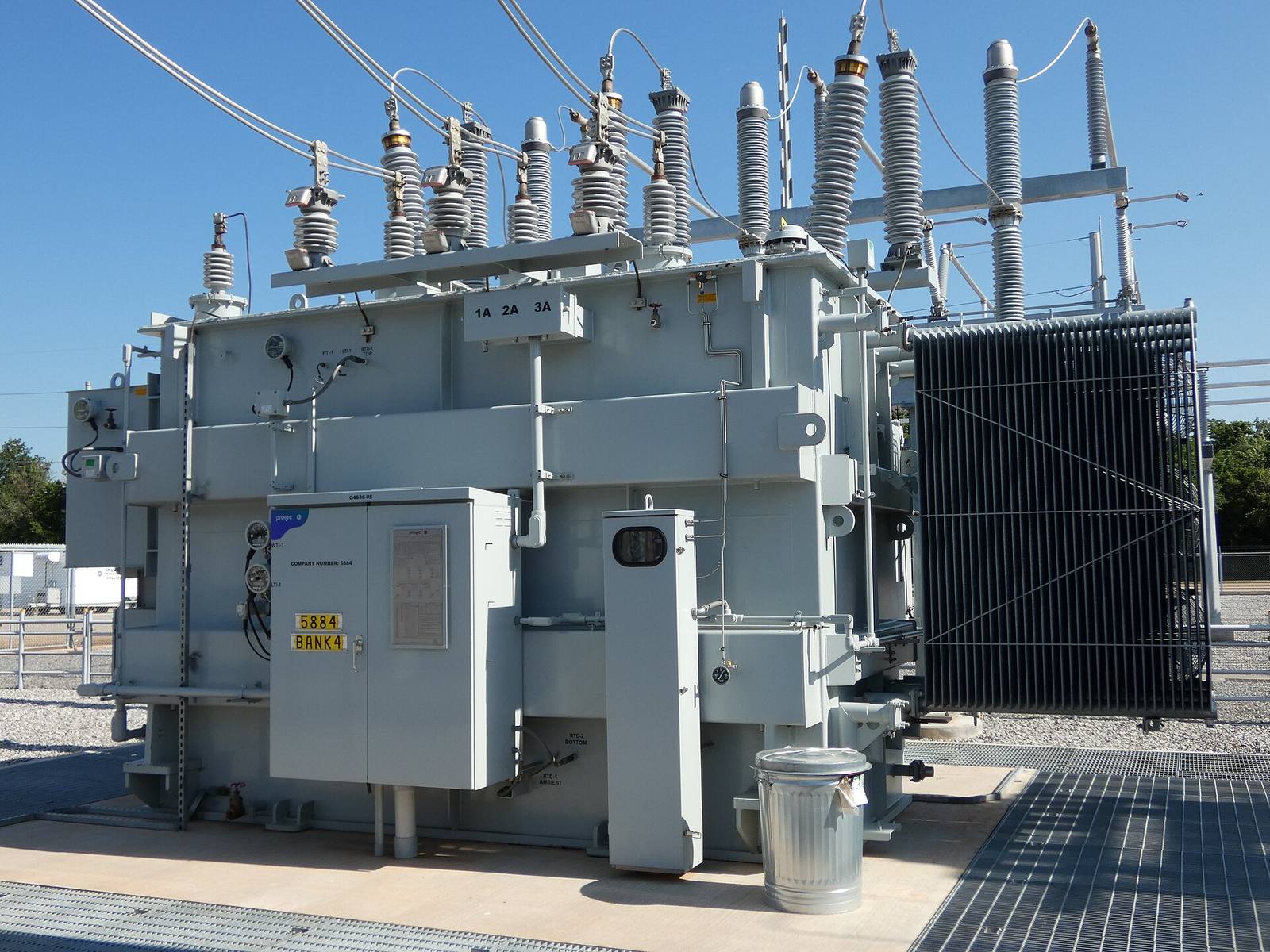
Photo: Yoshieslunchbox / CC BY-SA 4.0; resized and compressed

THE DETAILS / 01
A clearer way to sell.
What matters when you sell
Identify turbine pad, collector, step-up, auxiliary, or substation service and provide voltage, kVA, cooling, and enclosure data. Note whether the unit is in a nacelle, tower, pad, or outdoor yard.
Review converter interaction, harmonics, lightning or surge events, temperature cycling, moisture, and remote monitoring alarms. Service records and removal history help assess whether a fault was localized or systemic.
Remote roads, crane availability, and seasonal access can control freight more than the transformer’s nominal weight. State whether the buyer covers freight and let quotation terms address loading, escorts, and site timing.
Locate the Transformer in the Project
A turbine-pad unit, tower or nacelle transformer, collector-system asset, auxiliary transformer, and substation step-up unit each has a distinct role. State the location and service, then provide nameplate voltage, kVA, cooling, and enclosure details. Include whether the unit is outdoors or in a confined turbine area, and identify related equipment that is included or excluded.
Explain Operating Conditions
Converter interaction, harmonics, lightning or surge events, temperature swings, moisture, and remote-monitoring alarms may help explain a unit’s condition. Share available alarm logs, fault records, maintenance history, and existing test reports; new testing is not a prerequisite for an initial inquiry. Qualified personnel must handle isolation and any fluid sampling, with no inspection performed on energized equipment.
Account for Remote Logistics
Seasonal roads, crane availability, escorts, and distance to a loading point can matter as much as nominal transformer weight. Describe route conditions, site access, dimensions, weight, loading arrangements, and the unit’s removal status. The site owner controls isolation and lifting operations. Buyer-covered freight can be agreed in the quotation; rigging and disconnection are not presumed included.
Prepare the Equipment Information
Gather ownership records, nameplate photographs if safely obtained, service history, and a concise description of the turbine or substation location. Separate the transformer from any controls or accessories not offered with it. Specify the payment timing requested and freight expectations. An offer depends on condition, ownership, and agreed terms; payment is upfront according to those terms.
THE PROCESS / 02
From nameplate to payment.
Send the details
Share the nameplate, overall photos, pickup city and what you know about the condition.
Review the offer
We review the equipment and discuss a unit-specific cash offer and transaction terms.
Plan the move
We coordinate freight. The agreement defines access, timing, rigging and who handles disconnection.
Get paid upfront
We agree on payment and paperwork before release of the equipment.
MORE TO EXPLORE / 03
Sell more equipment with confidence.
GET A CASH OFFER / 01
Have a transformer to sell?
Start with what you know. A nameplate photo, a few equipment details and the pickup location help us review your unit.
saleselectricalbuyers@gmail.com
WE BUY. YOU GET PAID.