INDUSTRIES · WYOMING
Sell transformers from utilities
Utility owners often have strong records for transformer ratings, testing, maintenance, and outage events, but surplus units can still differ sharply in completeness and transport readiness. A useful sale file links each asset to its service history and current storage condition. The most useful sale information connects the equipment to its actual duty, site conditions, and removal constraints rather than making a generic industry claim.
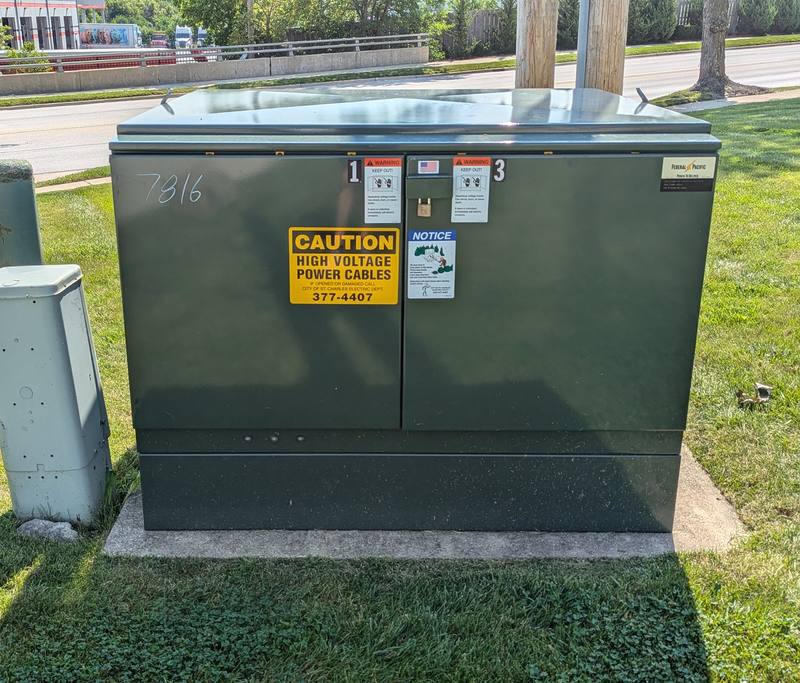
Photo: Simon-says-elkay / CC BY-SA 4.0; resized and compressed

THE DETAILS / 01
A clearer way to sell.
What matters when you sell
Provide substation or distribution role, voltage class, MVA/kVA, cooling, taps, and protection context. Identify whether the unit is in service, spare, retired, or partially dismantled.
Review oil, electrical, mechanical, and bushing records, including failures, through-faults, tap changer work, and storage inspections. Samples and records guide applicable compliance, while licensed professionals handle fluid or regulated work.
Utilities may have established lifting, packaging, and records procedures that a buyer must follow. Confirm buyer-covered freight, payment timing, and responsibility for permits or loading in the quotation.
Describe the Asset’s Utility Role
For a surplus utility transformer, identify whether it served substation or distribution duty and whether it is in service, spare, retired, or partly dismantled. Provide voltage class, kVA or MVA, cooling method, tap details, and relevant protection context. A clear link between the asset record and the physical unit helps distinguish a complete transformer from equipment missing components.
Assemble Service and Test Records
Utility files may include oil and electrical tests, bushing inspections, tap-changer work, through-fault events, repairs, and storage checks. Send records that are available and flag gaps or known failures plainly. Existing test reports can inform review, but new tests are not a prerequisite to start. Qualified professionals must handle isolation and any fluid sampling or regulated work.
Set Out Removal Controls
Substation rules, lifting procedures, packaging requirements, permits, and loading arrangements can shape a practical pickup plan. Provide site access rules, dimensions, weight, dismantling status, and any required coordination with facility personnel. Qualified personnel control isolation; the quotation should also state who is responsible for loading or rigging, rather than treating those tasks as automatically part of freight.
Request Terms in Writing
Match the serial number and nameplate to the asset register, then include ownership confirmation, condition notes, available oil or PCB documentation, and the requested sale scope. State payment expectations and any pickup constraints. The buyer covers freight and pays upfront on agreed terms, while any offer remains dependent on condition, ownership, and mutually agreed terms.
THE PROCESS / 02
From nameplate to payment.
Send the details
Share the nameplate, overall photos, pickup city and what you know about the condition.
Review the offer
We review the equipment and discuss a unit-specific cash offer and transaction terms.
Plan the move
We coordinate freight. The agreement defines access, timing, rigging and who handles disconnection.
Get paid upfront
We agree on payment and paperwork before release of the equipment.
MORE TO EXPLORE / 03
Sell more equipment with confidence.
GET A CASH OFFER / 01
Have a transformer to sell?
Start with what you know. A nameplate photo, a few equipment details and the pickup location help us review your unit.
saleselectricalbuyers@gmail.com
WE BUY. YOU GET PAID.