SELLER GUIDES · WYOMING
Selling transformers: Failed Transformer Units Guide
A failed transformer may still contain valuable components, but failure mode and event evidence strongly influence whether repair, parts recovery, or salvage is sensible. Owners should preserve failed-unit records instead of treating the asset as an anonymous scrap item. Owners can use this practical framework to organize records, define scope, and request a quotation without promising a fixed outcome.
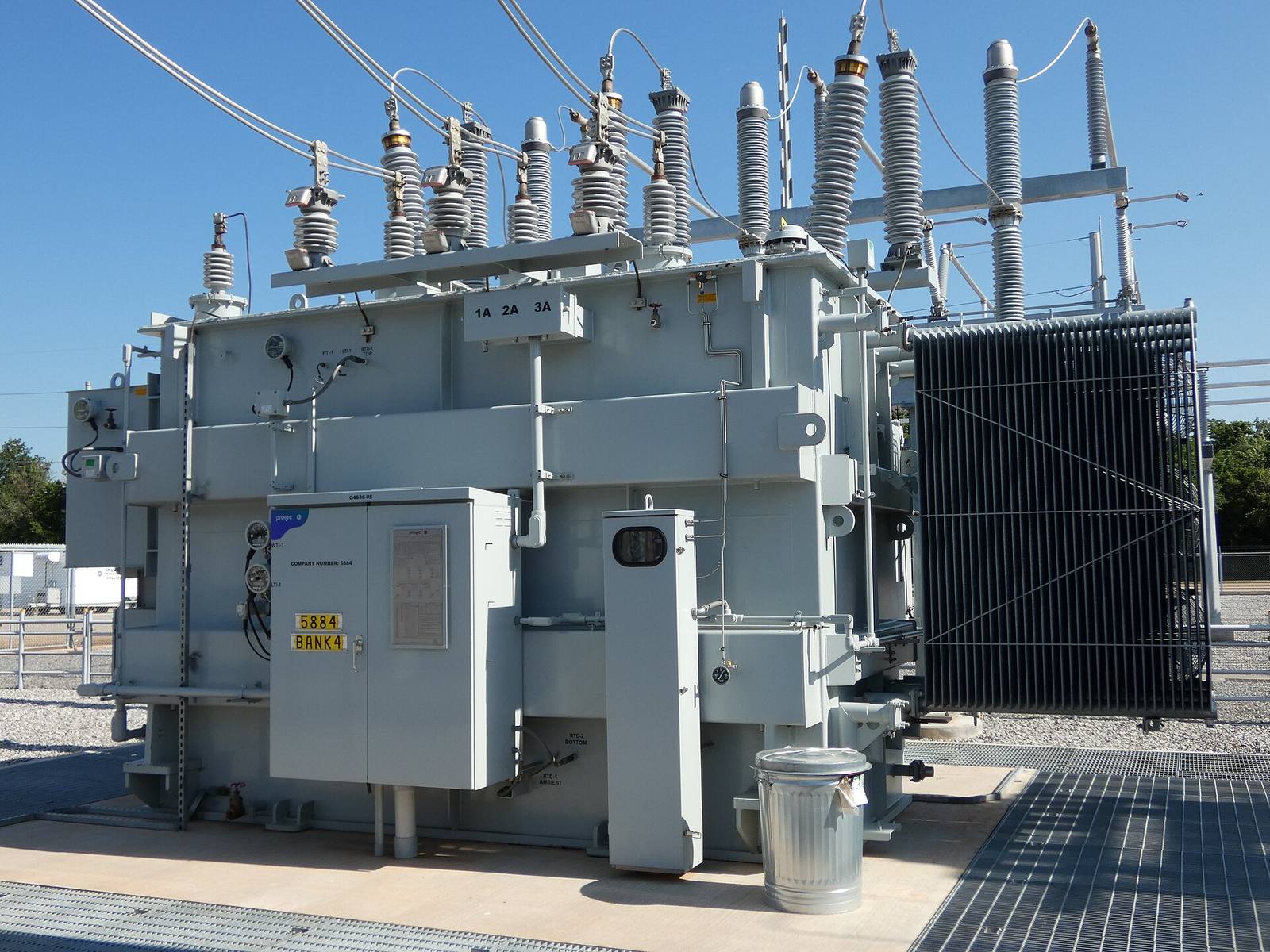
Photo: Yoshieslunchbox / CC BY-SA 4.0; resized and compressed

THE DETAILS / 01
A clearer way to sell.
What matters when you sell
Record failure date, load, protection operation, alarms, fire or spill evidence, photographs, and whether the unit experienced a through-fault, winding failure, bushing failure, tap-changer issue, or cooler problem. Preserve removed parts and test reports.
Keep the unit isolated and have qualified personnel determine safe condition, fluid status, and dismantling method. Samples and records guide applicable compliance; licensed professionals handle fluid, PCB, cleanup, transport, and other regulated work.
Ask for separate offers for complete failed equipment, parts, and scrap, with contingencies stated. Buyer-covered freight, loading, and payment timing should be confirmed in the quotation rather than inferred from the failure label.
Document the failure, not just the nameplate
A failed transformer may retain components of interest, but the event and resulting damage affect how it can be evaluated. Record the failure date, operating load, alarms, protection operation and any known through-fault, winding, bushing, tap-changer or cooling problem. Photograph the exterior and any removed parts, and note missing accessories rather than treating the unit as unidentified scrap.
Assemble the event file
Useful records may include protection logs, prior maintenance, test reports, service history, photographs and fluid or PCB documentation. Existing records can support an initial review; no new testing is required to request an offer. Keep the unit isolated, and have qualified personnel determine safe condition and handle isolation or fluid sampling. Qualified environmental professionals should address spills and regulated materials.
Explain condition and site constraints
Tell the buyer whether the transformer remains assembled, where removed components are stored and whether there is evidence of leakage, fire or impact. Provide practical access details, including route width, overhead obstructions, available lifting space and loading location. Identify who would perform disconnection, rigging and loading; these tasks are not included unless specifically agreed.
Seek a written purchase offer
Ask for the unit to be considered in its documented condition, and distinguish a complete-unit offer from any separate parts or salvage discussion. A cash offer depends on condition, ownership and agreed terms. Confirm buyer-covered freight, loading responsibilities and payment timing in writing. Payment is upfront on agreed terms, while any cleanup or dismantling scope needs its own clear agreement.
THE PROCESS / 02
From nameplate to payment.
Send the details
Share the nameplate, overall photos, pickup city and what you know about the condition.
Review the offer
We review the equipment and discuss a unit-specific cash offer and transaction terms.
Plan the move
We coordinate freight. The agreement defines access, timing, rigging and who handles disconnection.
Get paid upfront
We agree on payment and paperwork before release of the equipment.
GET A CASH OFFER / 01
Have a transformer to sell?
Start with what you know. A nameplate photo, a few equipment details and the pickup location help us review your unit.
saleselectricalbuyers@gmail.com
WE BUY. YOU GET PAID.