SELLER GUIDES · WYOMING
Selling transformers: Rigging and Freight Guide
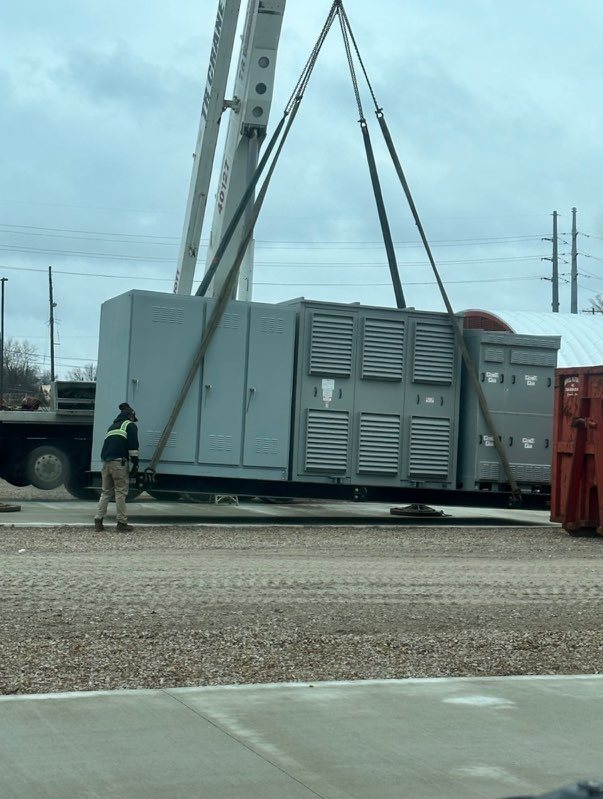
Transformer freight planning depends on weight, center of gravity, lifting points, route, packaging, and site access rather than nameplate capacity alone. Early logistics information helps an owner avoid a quotation that cannot be executed at the stated scope. Owners can use this practical framework to organize records, define scope, and request a quotation without promising a fixed outcome.
THE DETAILS / 01
A clearer way to sell.
What matters when you sell
Record shipping dimensions, estimated or certified weight, center of gravity, lifting lugs, skid or pallet condition, detachable components, and tie-down points. Photograph the loading face and any obstructions around the unit.
Describe crane reach, trailer approach, dock or ground conditions, gates, overhead lines, road restrictions, escorts, and weather limitations. Site personnel and qualified riggers determine the safe method; this guide does not provide a safety guarantee.
Ask the buyer to state whether freight, permits, rigging, loading, and unloading are covered. Confirm payment timing and practical availability during quotation after the route and scope are reviewed.
Start With the Load Details
Transformer capacity alone does not establish how it can travel. Provide dimensions, actual or estimated weight, center of gravity if known, lifting-lug information, skid condition, tie-down points, and detachable parts. Images of the loading face and obstructions help a buyer assess whether the proposed pickup scope is practical before freight arrangements are finalized.
Describe the Route to the Unit
Explain the trailer approach, gates, turning space, ground or dock conditions, overhead restrictions, and any road limits or escort needs. Note seasonal or weather constraints and whether a crane may be needed to reach the transformer. Site personnel and qualified riggers determine a suitable method; remote descriptions cannot guarantee access or a safe lift.
Separate Freight From Site Work
A buyer-covered freight arrangement should not be confused with seller disconnection, rigging, or loading. Identify who is expected to provide each service, including permits and unloading where relevant, and put the responsibilities in the written scope. Do not have unqualified personnel handle electrical isolation or rigging work.
Prepare Terms Before Scheduling
Share route and access details alongside equipment records, ownership information, and photographs. Ask for written confirmation of the freight scope and payment timing; payment is upfront on agreed terms. An offer depends on the transformer’s condition, ownership, and agreed terms, while pickup timing should be coordinated only after practical access and responsibilities are reviewed.
THE PROCESS / 02
From nameplate to payment.
Send the details
Share the nameplate, overall photos, pickup city and what you know about the condition.
Review the offer
We review the equipment and discuss a unit-specific cash offer and transaction terms.
Plan the move
We coordinate freight. The agreement defines access, timing, rigging and who handles disconnection.
Get paid upfront
We agree on payment and paperwork before release of the equipment.
MORE TO EXPLORE / 03
Sell more equipment with confidence.
GET A CASH OFFER / 01
Have a transformer to sell?
Start with what you know. A nameplate photo, a few equipment details and the pickup location help us review your unit.
saleselectricalbuyers@gmail.com
WE BUY. YOU GET PAID.